


Please note our content disclaimer in relation to blog posts.
Member expectations continue to evolve.
People increasingly expect the organizations they belong to recognize them, understand what is relevant to them, and make it easy to access the value of membership across every digital touchpoint.
Yet many associations are trying to deliver that experience through a growing collection of platforms: websites, association management software (AMS), online communities, learning platforms, event technology, mobile apps, email, marketing automation and analytics.
Individually, those systems may be doing exactly what they were designed to do.
The challenge comes when the member experiences them as separate services rather than as one association.
That raises an important question:
Do your members experience one organization, or a collection of disconnected systems?
For associations, creating sustainable member value increasingly depends not on adding more technology, but on connecting content, data and digital experiences around the people the organization exists to serve.
It is easy to talk about improving member experience as though experience itself is the objective.
It isn't.
A frictionless login is useful. A well-designed website matters. Relevant communications are valuable. But none of those things, by themselves, answer the questions every association ultimately faces:
Member value can take many forms: knowledge, professional development, community, influence, support, services, recognition, events or connections.
And different members may value very different things.
The role of digital is therefore not simply to make interactions easier. It is to make the value of the association easier to discover, access and experience. That makes member value the outcome; digital experience is one of the ways associations make that value visible and accessible.
That changes the digital conversation.
Instead of asking only:
Are our platforms working?
Associations should also ask:
Are our digital experiences helping different members find and experience the value that matters to them?
Members don't think about your technology stack.
They don't distinguish between the CMS powering the website, the AMS holding their membership record, the community platform hosting a discussion or the system delivering their professional development.
They simply experience your association.
When those systems aren't sufficiently connected, the boundaries between them can become visible.
That can show up as repeated logins, duplicated requests for information, disconnected website, learning or community experiences, content that is hard to discover, and communications that fail to reflect what the association already knows about the member.
The technology may be functioning perfectly well but the experience of value is fragmented.
Connected technology doesn't automatically create a connected member experience.
Or do they need to harvest more value from the technology they already have?
Digital ecosystems rarely become complex because of one bad technology decision. They evolve.
A new platform solves a particular requirement. Another supports learning. Another creates a community. An app adds a mobile channel. New tools are introduced for events, analytics, automation, personalization and AI.
Each investment can make complete sense in isolation.
Over time, however, associations can inherit an increasingly complex collection of systems, integrations, content and data sources.
The instinct can be to look for the next platform.
But the next stage of digital maturity may instead be about getting more value from investments already made.
At Cantarus, we describe the alternative to disconnected digital development as being connected by design.
That doesn't mean connecting everything to everything. It means making deliberate decisions about where technology, data and content need to work together to improve the member experience.
In our experience, the biggest gains often come not from replacing every platform, but from identifying the few connections that remove the most friction and make member value easier to access.
There is no universal association technology stack. A connected ecosystem might combine AMS CMS, community, learning, mobile and other specialist platforms, each performing the role it does best while exchanging the content and data needed to create a coherent member journey.
The objective isn't to make one platform do everything, nor is it integration for integration's sake.
It is creating an ecosystem in which specialist platforms do what they do well while the member experiences something coherent.
The goal isn't to connect more systems. It's to make membership feel more connected.

Content is one of the threads connecting the member relationship.
It helps associations demonstrate expertise, explain benefits, support professional development, build community, communicate opportunities and help members discover what is relevant to them.
But content can also become fragmented.
And the same knowledge can be duplicated across websites, emails, apps and other experiences.
As member journeys become more personalized and distributed across channels, content therefore needs to become more structured, reusable and connected. That changes the role of the CMS.
It is no longer simply the technology used to manage pages on a website.
Increasingly, it forms part of the content and experience foundation connecting an association with its audiences. For associations, that makes the choice of CMS less about managing a website and more about choosing a flexible experience layer that can work with the wider technology ecosystem.
We asked Umbraco for its perspective on how the role of the CMS is changing as associations connect more content, data and digital experiences.
The real challenge isn’t getting content onto more channels. It’s making sure each channel has the right content, with enough context to make it relevant.
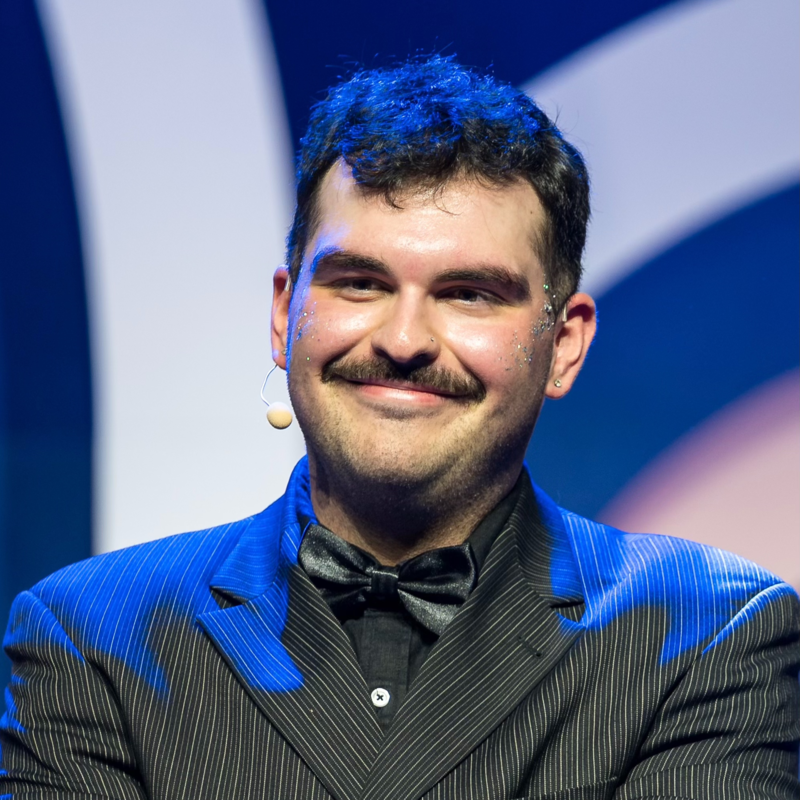
"That is where a modern content platform has an important role to play. Content should be structured so it can be reused across websites, apps and member portals, while connecting with the member data held in systems such as the AMS, CRM or learning platform.
When those pieces work together, associations can move beyond delivering the same experience to everyone. They can surface the knowledge, services and opportunities that are most useful to each member at that point in their journey.
The result is not simply more personalization. It is a member experience that feels more relevant and more connected, even when several different systems sit behind it."
- Colin Erickson, Marketing Manager US at Umbraco
That combination matters. Umbraco provides a flexible content and experience foundation capable of working across a wider technology ecosystem. Cantarus brings association-sector experience, integration thinking and delivery capability needed to connect those technologies around the member journey.


Personalization isn't created simply by installing a personalization tool.
To deliver something genuinely relevant, an association needs to know enough about the member, have the right content or service available and be able to bring the two together at the appropriate point in their journey.
That makes data quality, content structure and integration fundamental.
Connected systems can help an association recognize professional interests, learning activity, community participation, event attendance, content behavior and other signals across the member relationship.
The objective shouldn't be to personalize everything simply because technology allows it. The objective is relevance.
Does this member see the knowledge, service, connection or opportunity most valuable to them?
That's a much more meaningful measure of digital experience.
How does a connected digital ecosystem prepare associations for AI?
These same foundations become increasingly important as AI changes how people discover and consume organizational knowledge.
AI doesn't remove the need for high-quality content, trustworthy data and effective governance, it increases it.
Associations often hold significant specialist knowledge and authority. As AI increasingly sits between organizations and their audiences, that knowledge needs to be structured and governed in ways that make it easier to understand, reuse and represent accurately.
The question is therefore not simply whether an association is adopting AI.
It is also whether its content, data and digital foundations are ready for an AI-mediated world.
That makes connected content and digital architecture part of an association's future-readiness, not simply today's member experience.
Not with a technology shopping list. Start with the member.
Look at how members actually move between joining, content, learning, community, events, services and renewal.
Where do they encounter unnecessary friction?
What do different member groups genuinely value, and how easy is that value to discover and access?
Not every integration deserves equal priority.
Focus on the areas where fragmentation creates the greatest member or organizational friction.
Understand where trusted information should live, who is responsible for it and how it needs to move across the ecosystem.
A connected ecosystem isn't a finished state; it should make it easier to measure, learn and improve as member needs change.
The objective should be to continuously evolve rather than periodically transform.
The strongest association digital ecosystems are not necessarily those with the most technology. They are the ones where technology, data and content work together around a clear understanding of what members value.
Because ultimately, members don't experience your technology stack. They experience the value of belonging to your association.

If you're not sure, that's a useful place to start. Cantarus and Umbraco can help you look across your existing CMS, AMS, community forums, learning, and wider digital ecosystem to identify where fragmentation is creating friction - and where better-connected content, data and experiences could unlock more member value.
One of the central themes emerging from the conversation was that intelligence does not remove the universal human desire to feel understood. The discussion suggested that people are often looking less for recognition and more for environments where they can contribute without feeling the need to explain or justify who they are.
One of the central themes emerging from the conversation was that intelligence does not remove the universal human desire to feel understood. The discussion suggested that people are often looking less for recognition and more for environments where they can contribute without feeling the need to explain or justify who they are.
The conversation suggested that recognition and understanding fulfil different human needs.
Recognition celebrates what someone has contributed.
Understanding creates the confidence that allows people to contribute in the first place.
Both matter.
But organisations often invest far more energy in recognition than in creating environments where people genuinely feel understood.
The conversation suggested that recognition and understanding fulfil different human needs.
Recognition celebrates what someone has contributed.
Understanding creates the confidence that allows people to contribute in the first place.
Both matter.
But organisations often invest far more energy in recognition than in creating environments where people genuinely feel understood.
Belonging influences whether people choose to participate, share ideas, collaborate and remain engaged. Organisations that cultivate belonging are often better placed to benefit from the full diversity of perspectives within their teams and communities.
Belonging influences whether people choose to participate, share ideas, collaborate and remain engaged. Organisations that cultivate belonging are often better placed to benefit from the full diversity of perspectives within their teams and communities.
Technology can make it easier for people to connect, participate and discover communities.
The conversation suggested, however, that belonging is created by human experience rather than technology itself.
Digital platforms create opportunities for connection.
Leaders and communities create the conditions in which people feel understood.
Technology can make it easier for people to connect, participate and discover communities.
The conversation suggested, however, that belonging is created by human experience rather than technology itself.
Digital platforms create opportunities for connection.
Leaders and communities create the conditions in which people feel understood.
The discussion demonstrated that communities thrive not simply because people share characteristics, but because they create environments where individuals feel understood, respected and able to participate authentically. Those principles have relevance far beyond membership organisations.
The discussion demonstrated that communities thrive not simply because people share characteristics, but because they create environments where individuals feel understood, respected and able to participate authentically. Those principles have relevance far beyond membership organisations.